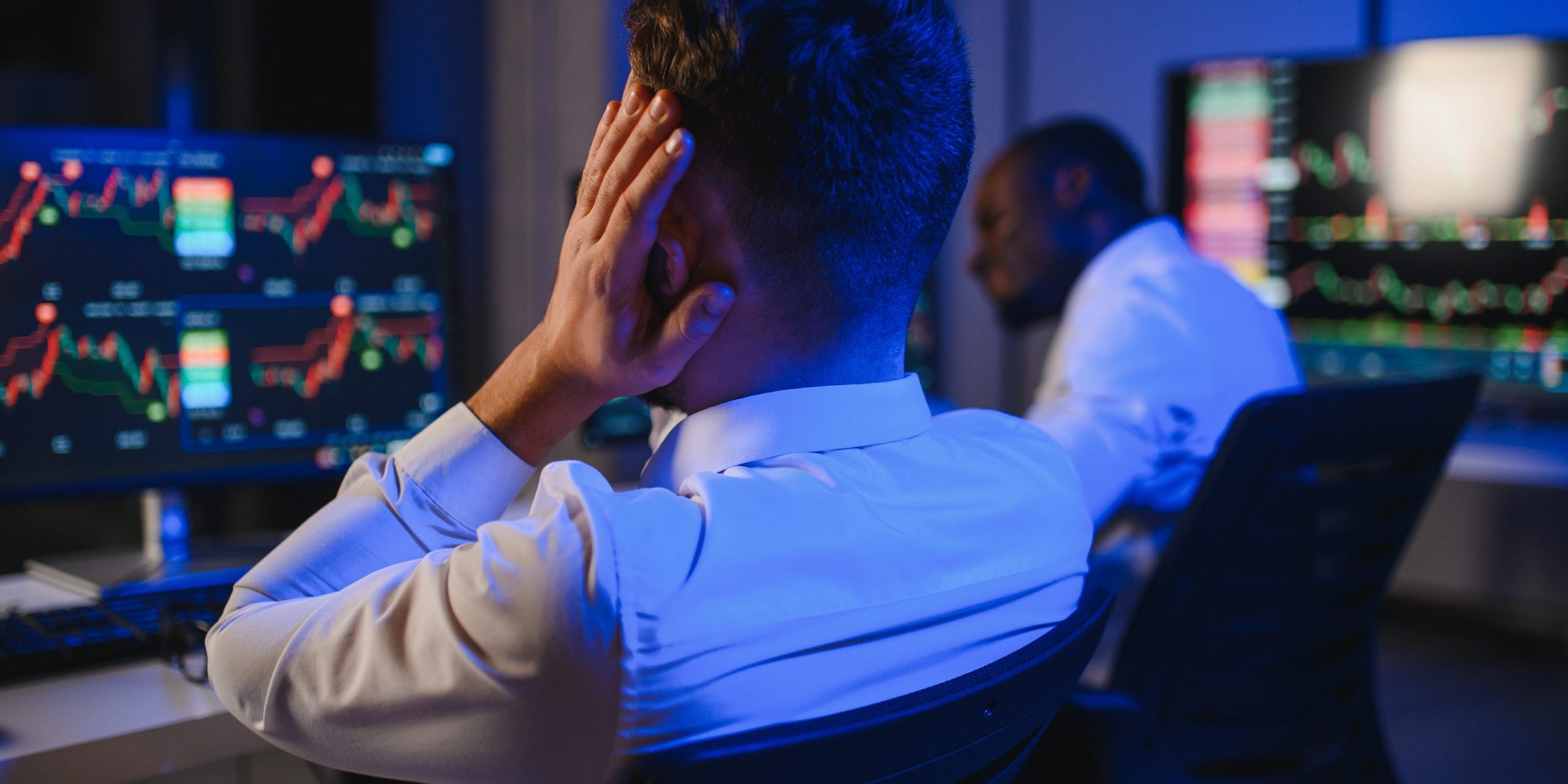
What if the real reason you’re losing money in the market has almost nothing to do with your trading strategy?
Your strategy might be solid, you’ve backtested it, studied chart patterns and checked all the technical boxes. Yet the results stay inconsistent and frustrating, and for most traders, slowly draining your account.
Here’s the truth most traders never hear:
The top 1% aren’t using secret indicators — they’ve mastered a consistent approach to the markets.
They understand the emotional forces driving price action and the psychological blind spots that sabotage logical decision-making. If you understand how fear, greed, and crowd behavior actually move markets, you can finally stop fighting price and start aligning with it.
Your Trading Strategy Isn’t the Real Problem
Most traders believe they’re battling charts, indicators, and algorithms. They think success comes from finding the perfect strategy.
That belief is the trap.
There’s a critical difference between trading psychology and market psychology:
- Trading psychology is internal — fear, greed, discipline, patience
- Market psychology is collective — panic selling, euphoric buying, herd behavior
Markets don’t move because indicators say so. They move because human emotion can dictate direction.
The biggest lie traders believe is that they’re rational decision-makers. In reality, your brain is wired to react emotionally to risk. When price moves fast, your amygdala triggers a fight-or-flight response — the same survival mechanism designed to protect you from physical danger. This is key to understanding market psychology.
The market exploits this perfectly.
Until you accept that trading is an emotional environment filled with emotional participants, logic alone will always fail you.
FOMO and Overconfidence: The Two Silent Account Killers
Nearly all trading losses trace back to two psychological forces: FOMO and overconfidence.
FOMO (Fear of Missing Out)
FOMO hits when price is moving fast and everyone else looks like they’re winning. Your brain gets a dopamine rush similar to gambling. Analysis shuts down. Emotion takes over.
This leads to:
- Buying tops
- Chasing momentum
- Overtrading
- Ignoring risk
Meme stocks and crypto hype cycles are classic examples. Traders pile in late, driven by social pressure, only to suffer massive losses when momentum fades.
Overconfidence
Overconfidence appears after a string of wins. You feel unstoppable so you increase position size, move stop-losses and double down on losers.
This behavior is driven by recency bias — giving too much weight to recent success while ignoring randomness and risk.
Markets have a brutal way of humbling overconfident traders, often wiping out weeks or months of gains in a single move.
Forging Your Psychological Armor
We can never eliminate emotion but we can be aware of it’s impact.
Here are proven ways to build discipline and consistency.
The Non-Negotiable Trading Plan
Your trading plan is your constitution.
It must clearly define:
- Entry criteria
- Exit rules
- Position sizing (typically 1–2% risk per trade)
A plan removes ambiguity. Discipline, not intelligence, is your edge.
Your Automated Defense System
Stop-loss orders are non-negotiable.
They are unemotional circuit breakers that prevent catastrophic losses. Moving stops out of hope is one of the fastest ways to destroy an account.
- A stop-loss on every trade
- A maximum daily or weekly loss limit
Hit that number? Walk away.
The Brutally Honest Trading Journal
A trading journal isn’t about profits — it’s about patterns.
Track:
- Why you entered
- How you positioned
- Did you follow your plan
Over time, emotional mistakes become obvious. Awareness creates change.
The Power of the Pause
Discipline is born in the pause between emotion and action.
Being able to identify an emotional response is key. This allows us to step away and review our plan. Confirm the trade is valid — not emotional.
That pause breaks the emotional hijack.
Think in Probabilities, Not Predictions
Professional traders don’t predict — they manage probabilities.
They trust:
- Data
- Consistency
- Execution over time
Ignore hype. Ignore headlines. Your job isn’t to win every trade — it’s to execute your edge consistently over hundreds of trades.
Market Psychology
Markets are reflections of collective emotion — fear, greed, hope, and panic.
The solution isn’t to eliminate emotion, that is impossible. As traders we need to build structure, rules, and discipline so emotion no longer controls your decisions.
A solid plan. Automated risk management. Honest journaling. A deliberate pause.
That’s how traders stop sabotaging themselves — and start trading with clarity.